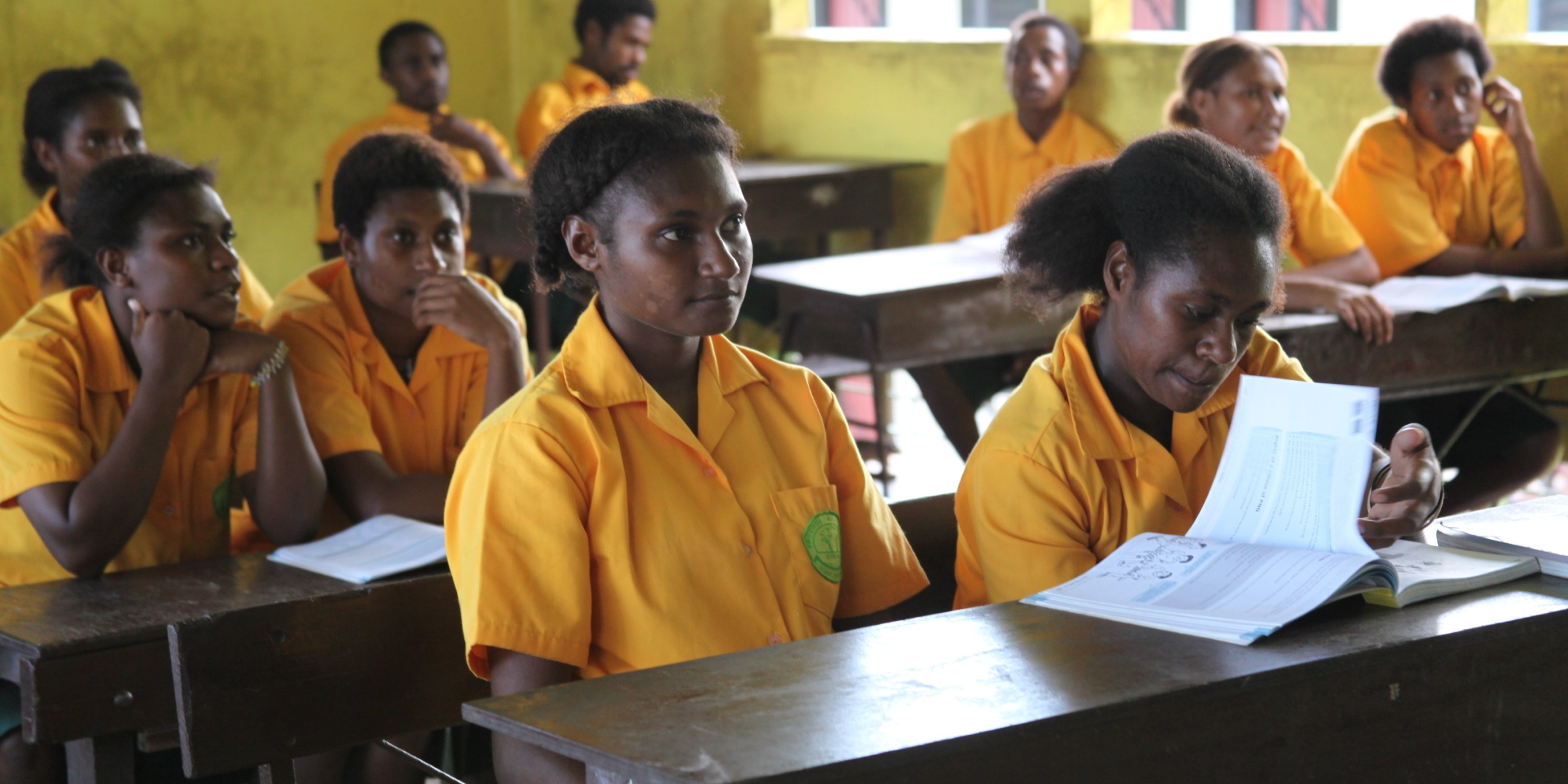
A classroom in Papua New Guinea. Credit: World Bank

Partner since:

Total grant support: US$51,854,686

Grant eligibility:

  • Multiplier
  • Girls' Education Accelerator
  • System capacity
  • System transformation

Partnership compact

Priority: Complete the rollout of the 1-6-6 School Restructuring Reform.

Other key documents

Coordinating agency: JICA

GPE Team lead: Florian Rabenstein

Contact the GPE team lead

Transforming education in Papua New Guinea

In Papua New Guinea, many students drop out of school during primary education and during the transition from primary to secondary. Only, one in five secondary-school age children are enrolled in school.

In line with the National Education Plan 2020-2029, Papua New Guinea’s Partnership Compact identifies completing the rollout of the 1-6-6 school restructuring reform as a priority for improving learning and increasing completion rates.

By changing the current 3-6-4 grade structure, the 1-6-6 restructuring lowers the age of entry into primary education by two years and extends the number of years of secondary education by two years.

In the early grades, the reform will develop a better qualified workforce, with more children completing play-based early childhood education and transitioning to primary school.

The primary education grades will be more age-appropriate. At the secondary level, students in grades 7 and 8 will benefit from better trained, specialized teachers and more appropriate infrastructure. With the removal of the grade 8 examination, students, especially adolescent girls, will have an automatic pathway into secondary education.

The reforms aim to enable more students to complete 13 years of schooling.

Result story

Building an inclusive workforce in Papua New Guinea

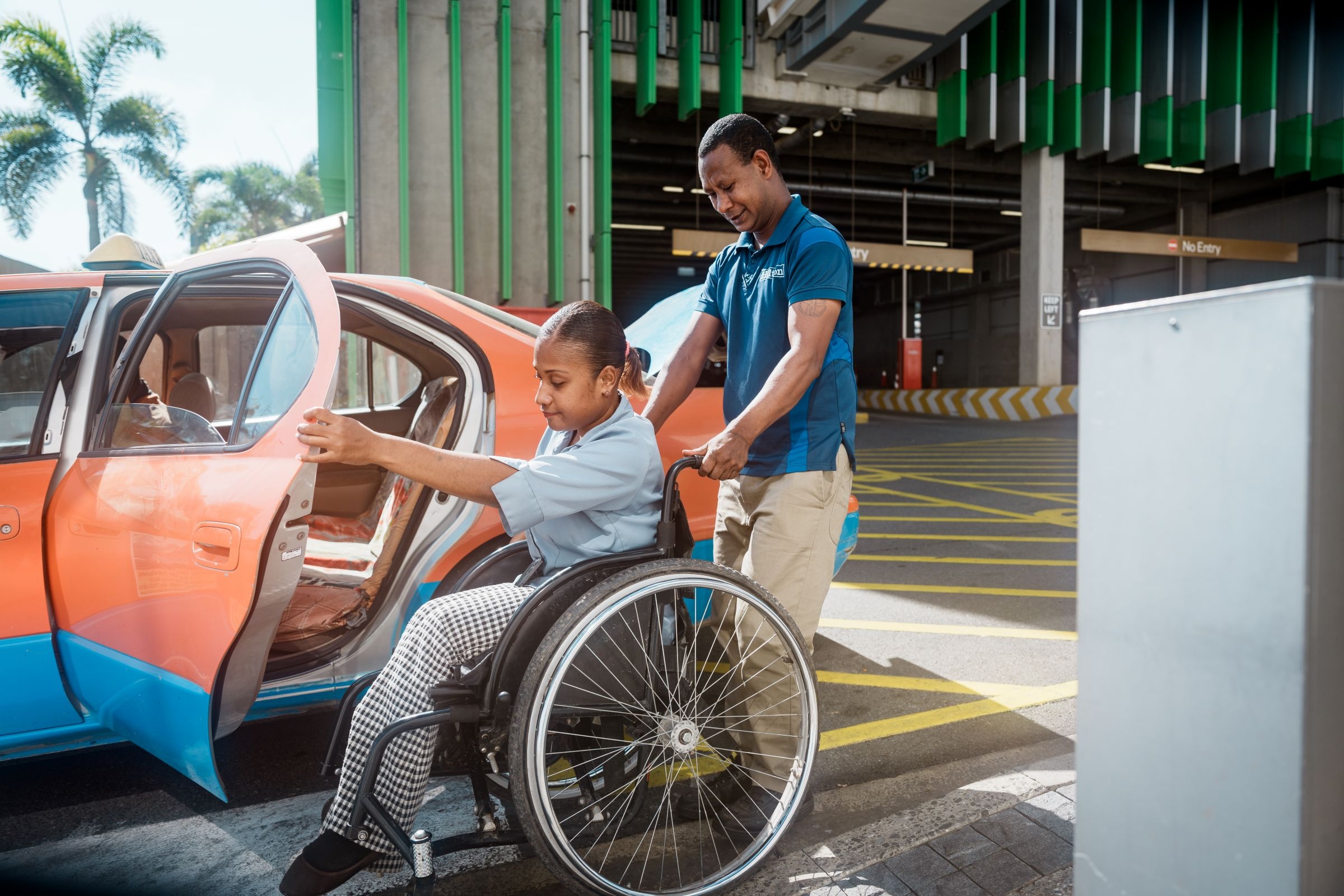
  • Kerry and Bianca, two young women with disabilities, are breaking barriers and shaping their futures through education and employment.
  • Inclusive education and workplaces are creating opportunities for young people to reach their full potential and fuel economic growth in Papua New Guinea.
  • The Papua New Guinea Education Advocacy Network (PEAN), supported by GPE’s Education Out Loud, the largest fund for education advocacy in the world, is driving policy change on inclusive education and employment to ensure that everyone can contribute to the country’s development.

Key data

22%

out-of-school rate for children of lower-secondary school age

13%

of government expenditure on education

Grants

(data as of December 11, 2025)

 
  • Type: System transformation

    Years: 2025 - 2029

    Allocation: US$11,180,000

    Utilization: 0

    Grant agent: UNICEF

  • Type: System capacity

    Years: 2022 - 2025

    Allocation: US$700,000

    Utilization: US$556,707

    Grant agent: UNICEF

Civil society engagement

As part of its investment in civil society advocacy and social accountability efforts, GPE’s Education Out Loud fund is supporting Papua New Guinea Education Advocacy Network (PEAN) for the 2024-2026 period. This builds on previous support from the Civil Society Education Fund (CSEF).

Learn more

Knowledge and innovation

Learn more

Latest blogs and news

October 30, 2025
Building an inclusive workforce in Papua New Guinea
Through the stories of Kerry and Bianca from Papua New Guinea, see how inclusive schools and workplaces transform lives—and how advocacy and support from partners like GPE through Education Out Loud turn education...