Lebanon: A new school year signals resilience and opportunity
Story highlights
- Lebanon’s overlapping crises have had severe repercussions on children’s education.
- This year's back-to-school season brought renewed optimism following the formation of a new government and a ceasefire agreement in November 2024.
- GPE is supporting Lebanon with education sector planning aimed at building a future workforce that can contribute to economic recovery and growth, and a fairer society.
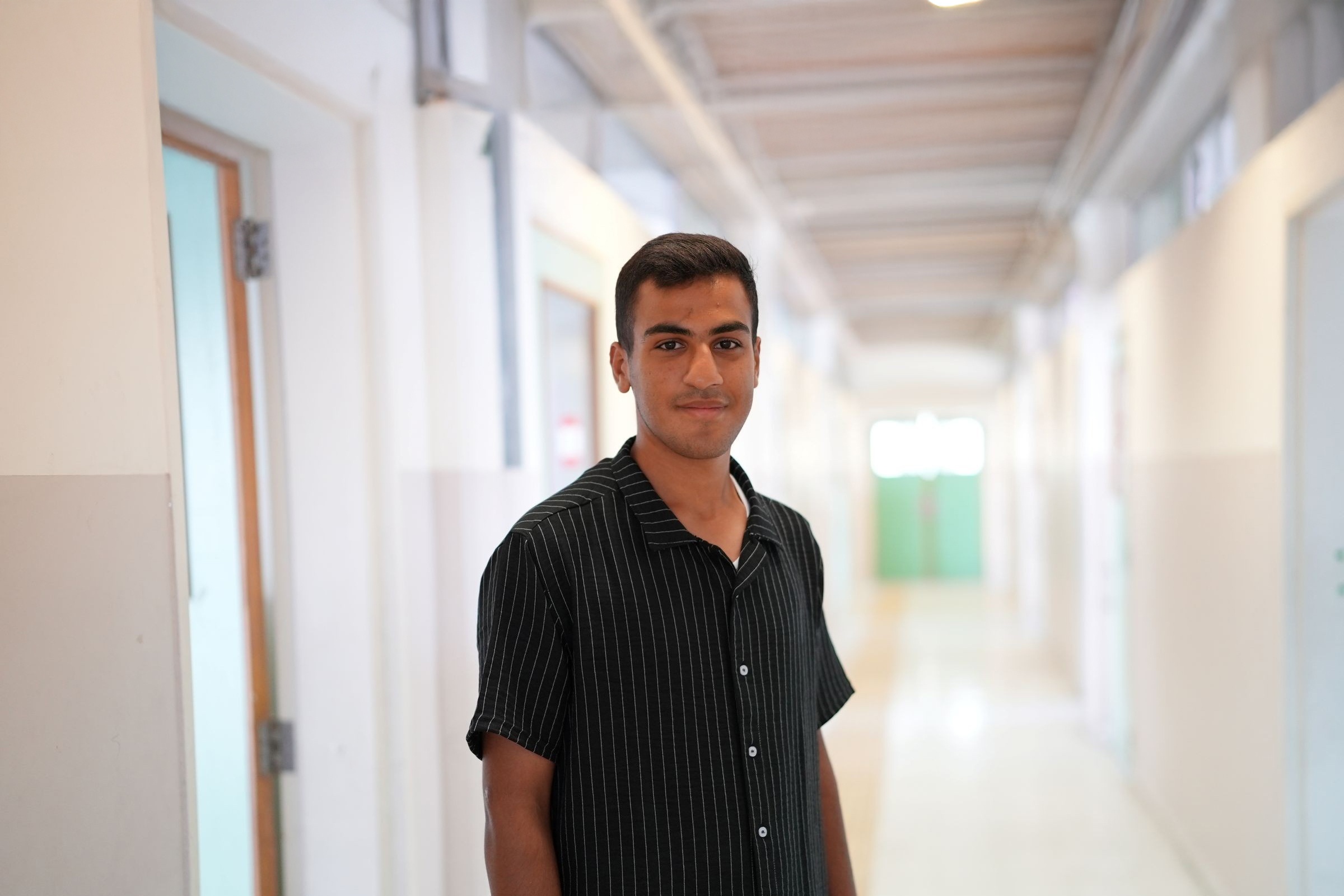
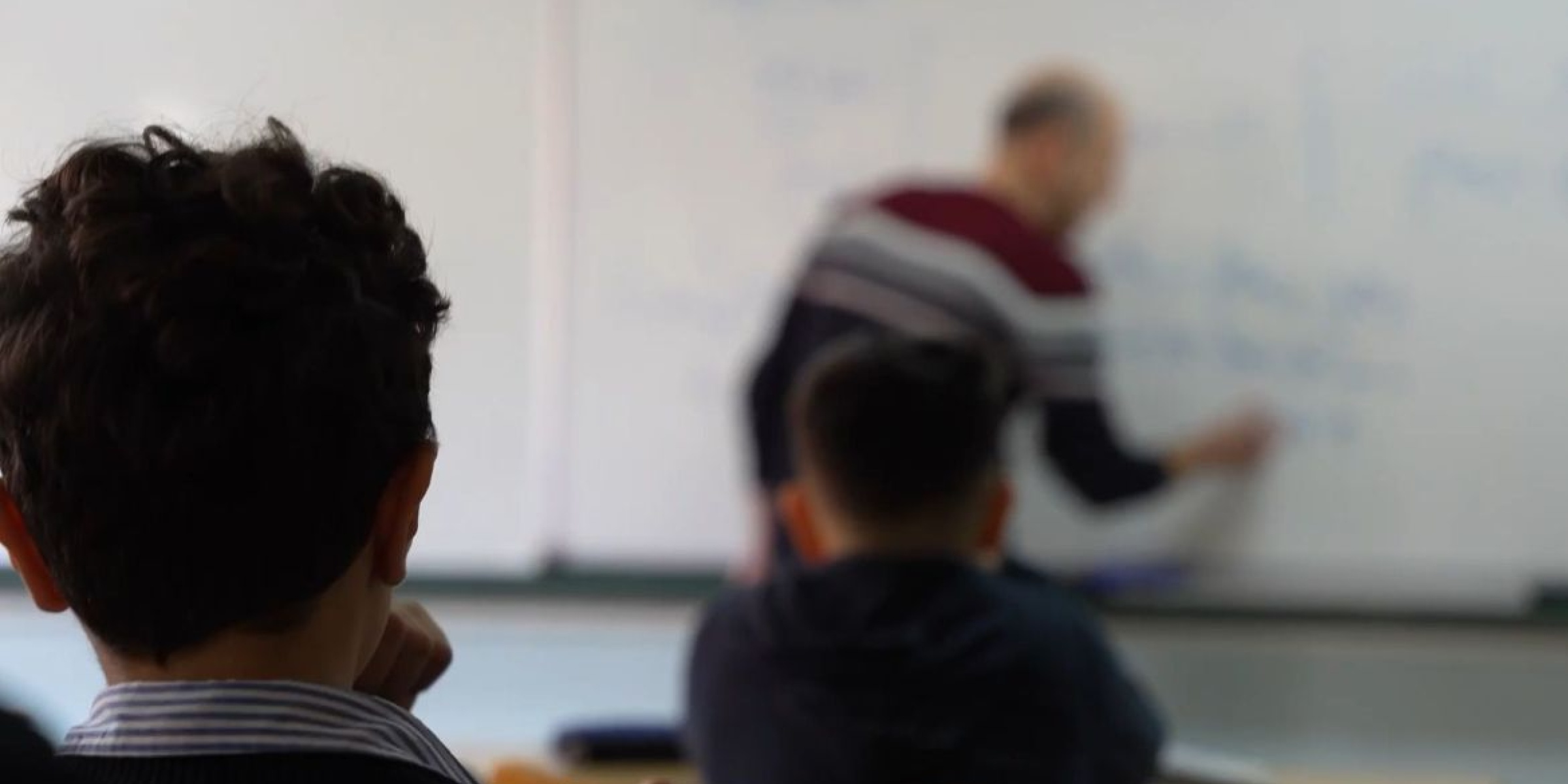
For 18-year-old Qasim, school is more than classrooms and books—it’s a lifeline.
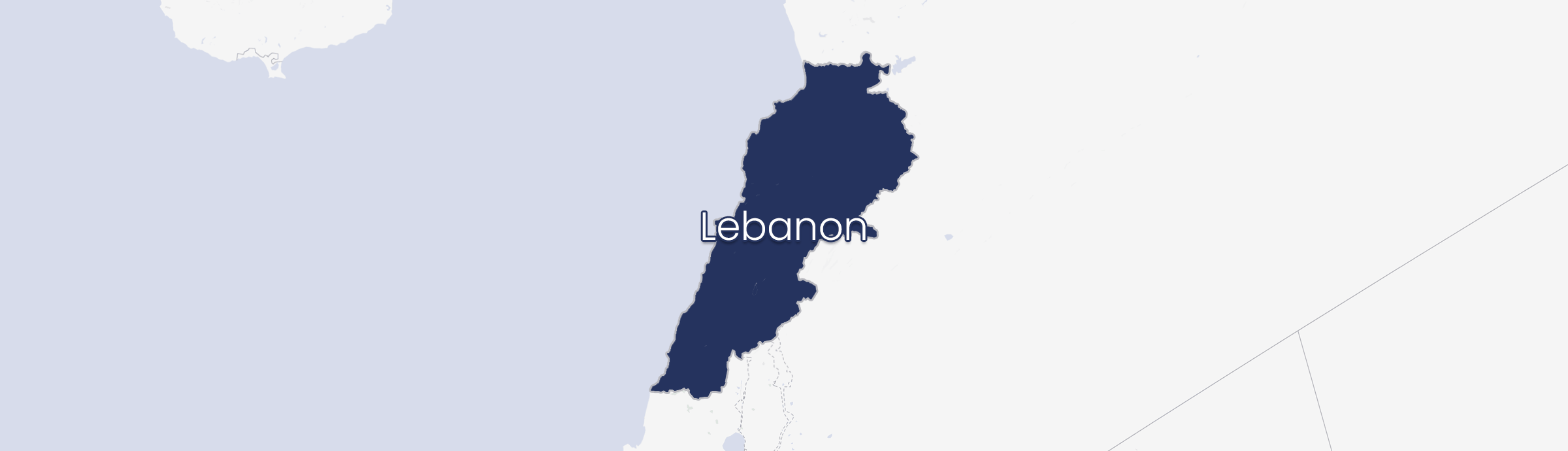
Living in Beirut, along a conflict-affected border, he sees education as the path to rebuilding his country’s future.
“If we do not go to school, we have no future. We have to study to work in the profession we like. Yes, it is hard to study sometimes, but the outcome outweighs the trouble. It is how we can achieve our childhood dreams.”
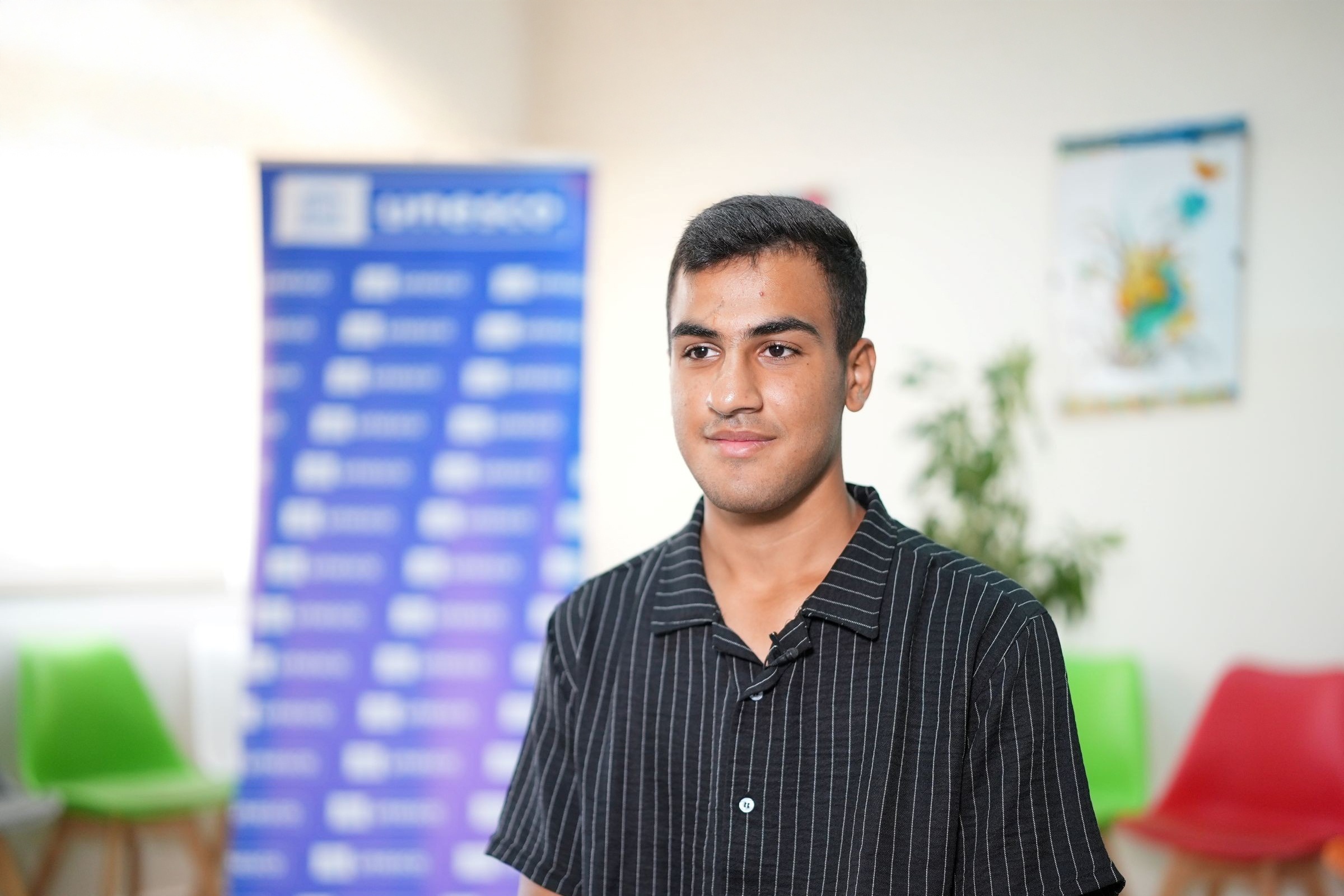
At Omar Al-Zaani School, Qasim cherishes the supportive learning environment and the chance to connect with friends and teachers.
“The teachers create a nice atmosphere. They don't just pressure us to study. They help me with challenges I face in learning. Among classmates, we always support one another.”
He explains with pride: “I have friends from different backgrounds—Syrians, Palestinians, and from every community. Our school helps everyone feel included through activities, like games, that bring us together. At the end of last school year, we had a gathering to say goodbye, and then we stayed in touch over the phone, talking about our memories.”
An education system under pressure
Qasim’s school is in Beirut, close to the southern suburbs of the city, which is an area that was impacted by conflict.
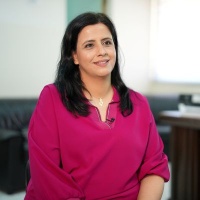
“At the beginning of last academic year, we opened the school doors even though the first floor was still sheltering displaced families. Attendance remained strong and students showed remarkable commitment. Together, we shared both hardships and moments of resilience.”
The school’s principal, Rana Itani, knows the crucial role that teachers play in creating a safe space for students.
Without a dedicated school counselor, the staff rely on arts and sports activities to provide students with a healthy outlet for stress and a sense of normalcy. “Once the hostilities ended, our focus shifted to supporting students both academically and emotionally,” says Rana.
In countries affected by fragility, schools can provide a safe space, routine and stability, helping children cope with trauma, loss and uncertainty as well as express themselves and build peer support networks.
Education supports children’s mental health and well-being, offering hope when everything else has been disrupted. It also shields students from exploitation, violence and early marriage.
As Lebanon continues to reel from interrelated crises, including a devastating economic meltdown, the Beirut port explosion, conflict and displacement, schools are beacons of hope—helping children heal, rebuild and drive the nation’s recovery.
This year's back-to-school season was marked by renewed optimism. The formation of a new government and a ceasefire agreement in November 2024 have reinvigorated national efforts to help students rebuild their lives and their country.
Delivering quality education for all
Lebanon has long prioritized education as a cornerstone of national resilience and human capital. Under the leadership of H.E. Dr. Rima Karami, the Ministry of Education and Higher Education is working to restore confidence in the system.
“My dream is for education in Lebanon to regain its rightful place—first in the eyes of its people, before the world. Even in times of crisis, Lebanon has always produced excellence,” she says.
For Dr. Karami, the challenge to delivering quality education is clear.
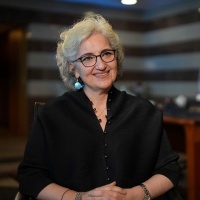
“What we have lacked is equity: ensuring that every child, regardless of background, circumstances or ability, has the right to learn. I want our schools to be safe, inspiring spaces that children attend not out of obligation, but because they love being there. Schools should not be reduced just to exams and grades, but seen as gateways to discovery, growth and shared life.”
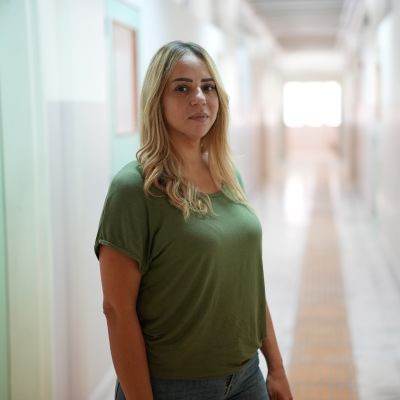
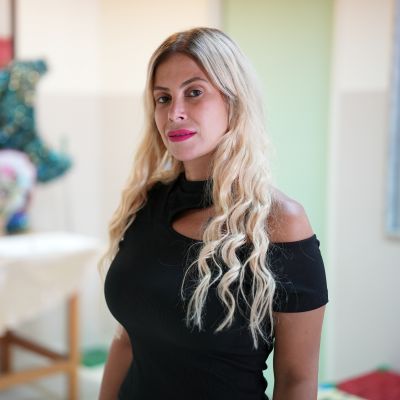
At Mohammed Shaml School in Beirut, teacher Diana Itani shares this passion and was eager to welcome students back to school this year.
Education for recovery and growth
Education is key to Lebanon’s economic recovery, equipping children and youth with the skills, knowledge and resilience to rebuild their lives and contribute to the country’s growth.
A strong education system prepares young people for local and global competitiveness, reduces vulnerabilities, promotes social cohesion and helps ensure that every child can contribute to a fairer society.
Lebanon became a GPE partner country in 2024. Since then, with support from GPE and UNESCO as the coordinating agency, the education ministry has initiated critical steps, including the establishment of a local education group to promote inclusive education sector coordination in the country.
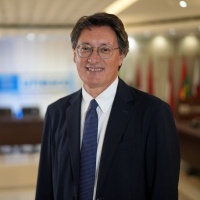
"Lebanon has a well-established system of coordination within the education sector. The minister leads the local education group, co-chaired by UNESCO, where sector partners sit around the table and align priorities and how to fund those priorities. The importance of GPE is not only in providing funding but also in requiring coherence in the use of funds within the education sector."
When Dr. Karami took office as Lebanon’s Minister of Education and Higher Education in early 2025, she recognized the value of partnering with GPE.
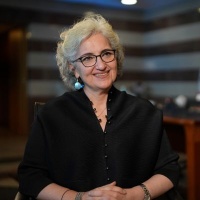
“What makes the GPE model remarkable is its foundation in partnership. It recognizes that no single actor can reform education alone. The framework encourages building local alliances, joint planning and shared responsibility across the sector. It provides a platform that allows national leaders and their partners to steer the ship, to chart the course they believe will carry their education system forward.”
The government is committed to ensuring every child stays in school by implementing inclusive policies that broaden access to early childhood education, strengthen student retention, and provide flexible learning opportunities for children currently out of school.
Lebanon’s education reforms aim to create a future workforce that can contribute to economic recovery and growth and a fairer society—goals that GPE continues to support.
Qasim is one of millions of students counting on the power of education to unlock possibilities, transforming lives and communities. His message to his friends is this: “Continue your studies so that we graduate together and work in the fields we love. We must be the generation that succeeds so that we can continue to live and thrive here.”
Education multiplies possibility—it fuels inclusive growth, strengthens resilience and lays the foundation for a more stable and prosperous future; it offers hope for Lebanon’s next generation.
Read GPE's case for investment.
More country journeys